A war centred on Iran may look distant from African households, but its economic shock travels quickly: through oil tankers, fertilizer markets, shipping routes, exchange rates and food prices. For Africa, the danger is not only missiles in the Gulf or air strikes in the Middle East. It is the price of diesel in Nairobi, the cost of wheat in Mogadishu, the freight bill at Mombasa, and the transport fare paid by an Ethiopian family already squeezed by inflation.
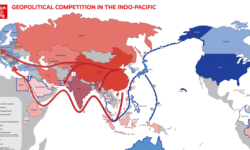
The Iran-Israel-United States confrontation matters to Africa because many African economies are price-takers in global energy markets. They do not control oil prices, shipping insurance, fertilizer costs or dollar financing conditions. When risk rises around the Strait of Hormuz, one of the world’s most important energy chokepoints, oil markets react immediately. Even countries that do not import directly from Iran can be hit through higher global crude prices, higher freight costs and tighter supply.
Oil, Fuel and Inflation
The first transmission channel is fuel. If tensions threaten the Strait of Hormuz or Gulf exports, traders price in the possibility of disruption. Brent crude rises, refined fuel becomes more expensive, and African importers pay more in dollars. For countries with weak currencies, the shock is multiplied: fuel costs rise not only because oil is expensive, but also because dollars become harder to obtain.
Fuel is not just a transport issue. It affects electricity generation, trucking, public transport, construction, fishing, farming and food distribution. A rise in diesel prices can quickly become a rise in bread, vegetables, school transport and rent. This is why an Iran crisis can enter African homes long before any formal recession appears in statistics.
Kenya is especially exposed because fuel is central to its transport-heavy economy and regional logistics role. Higher pump prices raise the cost of moving goods from Mombasa to Nairobi, Uganda, Rwanda and South Sudan. For urban households, matatu fares and food prices are the visible signs of a global shock. For businesses, the impact comes through delivery costs, generator expenses and reduced consumer spending.
Ethiopia faces a different but equally serious vulnerability. As a large, landlocked economy dependent on imported fuel and the Djibouti corridor, higher energy prices worsen foreign-exchange pressure and import costs. Fuel shortages or price increases can disrupt transport, food distribution and industrial activity. If inflation rises again, it could complicate economic reforms and deepen public frustration.
Somalia is one of the most fragile cases. It imports much of its fuel and food, has limited fiscal space to cushion consumers, and relies heavily on ports and road transport. When fuel prices rise, the effect is immediate in markets: water trucking, electricity from generators, food transport, fishing and small businesses all become more expensive. In a country where many households already spend a large share of income on food, the margin for shock is thin.
Fertilizer, Food and the Farm Gate
The second channel is fertilizer. Fertilizer production is energy-intensive, especially nitrogen fertilizer, which depends heavily on natural gas. When energy prices rise, fertilizer prices often follow. Farmers then face a painful choice: buy less fertilizer, plant less, or accept lower yields. The result can appear months later as weaker harvests and higher food prices.
This matters across Africa because many countries are already vulnerable to climate stress, debt pressure and food-import dependence. Higher fertilizer costs can hurt both commercial farmers and smallholders. In East Africa, where drought cycles and conflict already affect food security, expensive fertilizer can worsen rural poverty and increase the cost of staples.
The most vulnerable countries are those that combine food import dependence, weak currencies, high transport costs and humanitarian need. Somalia, Sudan, South Sudan, Ethiopia, parts of the Sahel and several low-income importers face the greatest risk. Even where harvests are normal, higher shipping and fuel costs can make imported wheat, rice, cooking oil and sugar more expensive.
Ports, Shipping and Trade Routes
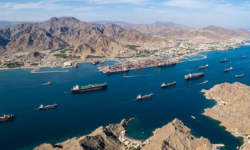
The third channel is maritime trade. Red Sea instability has already shown how quickly shipping companies can reroute vessels around the Cape of Good Hope. That adds time, fuel, insurance costs and uncertainty. For African ports, the effect is mixed. Some ports may gain refuelling or transshipment activity, but many importers suffer from delays and higher freight charges.
Djibouti is central because it handles most of Ethiopia’s external trade. Any disruption around the Red Sea, Bab el-Mandeb or Gulf routes can raise costs for Ethiopian imports and exports. Berbera is strategically important for Somaliland and the wider Horn, but shipping suspensions or war-risk pricing can reduce its reliability. Mombasa remains a key gateway for Kenya and the region; higher freight and fuel costs there ripple inland through East Africa’s trade corridors.
Ports do not need to be attacked to feel the shock. Insurance premiums, route changes, port congestion and schedule disruptions are enough to raise prices.
Aviation and Transport
Airlines also adjust quickly to regional instability. Airspace closures over Iran, Iraq, the Gulf or the Red Sea can force longer routes, more fuel burn and higher operating costs. That can affect ticket prices, cargo rates, tourism and business travel. For African carriers already facing high fuel costs and thin margins, another geopolitical shock could reduce profitability and connectivity.
Country-by-Country Impact
For Ethiopia, the main risks are inflation, fuel import costs, pressure on foreign exchange and disruption along the Djibouti corridor. A prolonged crisis would raise the cost of reform and make living costs more politically sensitive.
For Kenya, the shock runs through fuel, transport and logistics. Higher diesel prices feed into food prices, public transport and regional trade. Mombasa’s role as a gateway means Kenya’s exposure is not only domestic; it also affects the wider East African economy.
For Somalia, the danger is social as much as economic. Imported fuel and food dominate household costs. A sharp rise in prices could worsen urban hardship, strain humanitarian needs and create political pressure in a fragile environment.
Three Scenarios
In a limited conflict, oil prices rise temporarily, shipping remains tense but manageable, and African inflation increases without a full crisis. Governments absorb some pressure through subsidies, tax cuts or delayed price adjustments.
In a prolonged confrontation, fuel and fertilizer remain expensive for months. Food prices rise, farmers reduce fertilizer use, and trade routes become less predictable. This scenario would hurt import-dependent countries most and increase social pressure.
In a major escalation affecting global energy markets, Africa faces a severe shock: sharply higher oil prices, expensive freight, fertilizer shortages, inflation spikes and possible balance-of-payments stress. Poor households would be hit hardest because food, fuel and transport dominate their spending.
Conclusion
The Iran conflict may be fought in the Middle East, but its economic battlefield extends far beyond it. For Africa, the question is not whether missiles reach the continent. It is whether oil, fertilizer, shipping and food prices do. If the crisis deepens, its consequences will be felt at fuel stations, ports, airports, farms and dinner tables from Addis Ababa to Nairobi to Mogadishu.